

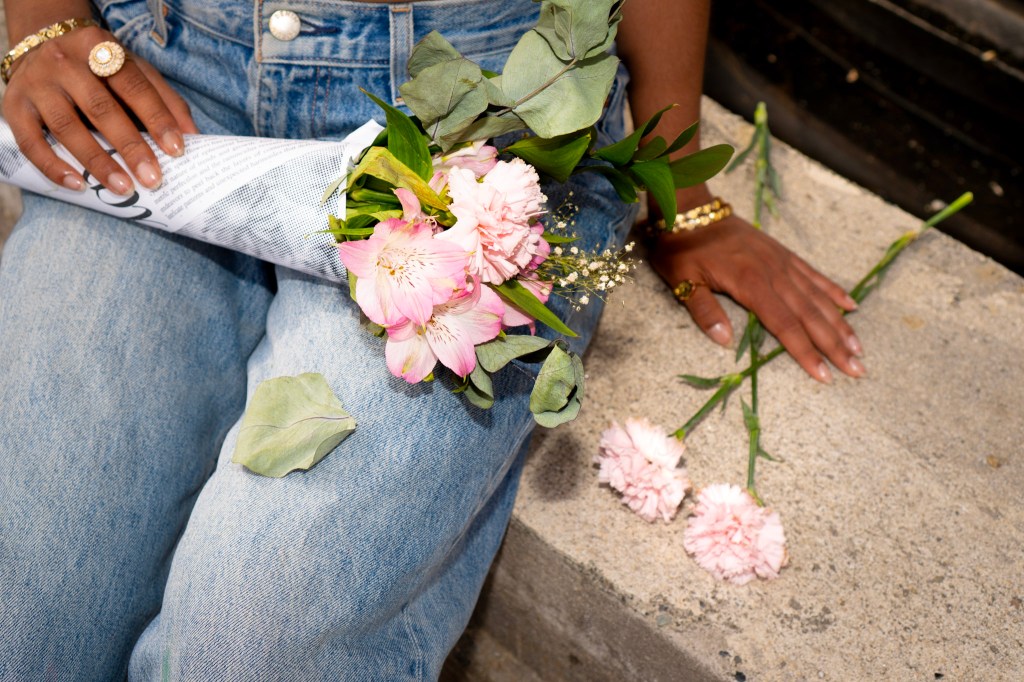
A universally known language holds a collection of conversations in vases and paper-wrappings. Recognized for centuries through Asia and Europe, the symbolism of flowers has been seen everywhere, from being used as secret messages in the Victorian era to plays and mythology of the Egyptians and Ancient Greeks. Through the various types and presentations, entire conversations can be shared through these arrangements, proposals answered, deaths grieved for; lives contained in vases.
Dandelion chains to daffodil bouquets, I’ve always loved flowers. In early March my desk and side table were filled with vases for my birthday. Perched on my windowsill and the back edge of my desk, the bright pinks, whites, purples, and yellows danced in their glass holds. The colors weave together, plastering the canvas of my room with a beautiful arrangement of emotion, through flowers. While they may have not written exact messages through the alphabet of stems and petals, this field of colors told me I was loved, appreciated, and thought of, communicating the intention and appreciation of my loved ones.
More recently on social media, emphasis has been placed on the very act of getting someone flowers, as opposed to what the flowers mean themselves. Ideas about how the longevity of flowers reflects your partner’s love, or how the frequency of giving flowers changes their meaning from a rare, special gift to something else, have both influenced expectations around flowers and the experience of receiving them. I have swiped through an incessant stream of videos and posts answering questions that haven’t been asked; “How often should your boyfriend give you flowers?” “Weekly. Whenever a bouquet dies.” as answered in some posts.
There’s a timeline, an expectation, no longer a surprise or a communication of anything more than, “This is for you, I hope it makes you happy.” Through this sentiment, bouquets lose their historical meaning, and importance is placed on the timing and repetition of the gesture instead. As sweet as receiving flowers can be, does the implementation of a timeline or a requirement make it less sweet and more shallow? Does this shift diminish their importance, or redefine it?

When social media makes this gentle offering a forced purchase, it commodifies the gesture, disregarding subtle meanings and replacing them with a big ole’ dollar sign. Choosing Calla lilies over Alstroemerias is a $10 difference per bouquet, and besides a loved ones’ favorite flowers, one may ask what is the other importance? Or, as across many cultures, is this display of affection (and possibly money spent) not shallow, but instead a major part of the dating process? Everyone has their own expectations for a relationship, but it is undeniable that this common language, these conversations held in vases, are no longer as prominent as they have been through history.
I don’t think there’s a wrong way to think about it, times, trends, and languages change. Personally, I just love walking into my room and seeing flowers from my loved ones; they remind me of their affection, and they’re pretty. It’s not necessarily shallow or wrong to appreciate these lovely plants simply for their beauty.
What is problematic is judging someone else’s relationship expectations, doing so means inserting yourself into a stranger’s life. Still, it’s important to reflect on what we’re actually appreciating: what kind of language is being communicated through this gift? If it’s no longer the delicate symbolism and traditional messages, then what meaning are we assigning to it and where is that meaning coming from?
Is your motivation (and disappointment) rooted in a ten-second video telling you, “your boyfriend doesn’t love you if he doesn’t give you flowers”? Or is it because, deep down, you genuinely feel that receiving a bouquet represents your partner’s devotion and understanding of your wants and happiness?
A few weeks after my birthday I made a journey to my building’s trash room, four bouquets in hand. I had my roommate help me open the door and the top of the compost bin. After tossing the wet, slimy stems in the bin, I took a moment to look at the collection of waste before closing the lid. While I loved my flower shop, what started as a rainbow of greenery ended up at the bottom of a compost bin after a few weeks.
I love flowers, but I wonder if the way we consume them now, on a schedule, for the sake of show, has dulled the quiet power they once held. When a gift becomes an expectation, a symbol can become just another transaction. And maybe that’s what we’re losing: not the flowers themselves, but the meaning we used to place in them.
Because in the end, the beauty of flowers isn’t just in how they look, or even what they cost. It’s in what they’re meant to say, when we actually mean it.


 Muse Media UW