

Walking into a Forever 21 today is almost dystopian. Racks and racks of clothing, designed to emulate the latest microtrend, fill the cluttered sales floor. A close inspection of these garments reveals their poor quality. Loose threads, see-through fabric, and minimal detail have become hallmarks of fast fashion brands. Yet, a trip to the thrift store shows another story. Garments from these same companies, but made twenty years earlier, are thicker, more detailed, and have held up through years of wear. They still bear some indicators of fast fashion, but are undeniably higher quality than their modern counterparts. To grasp the implications of this decline on the fashion industry and wider global community, it is integral to understand the origins of clothing production.
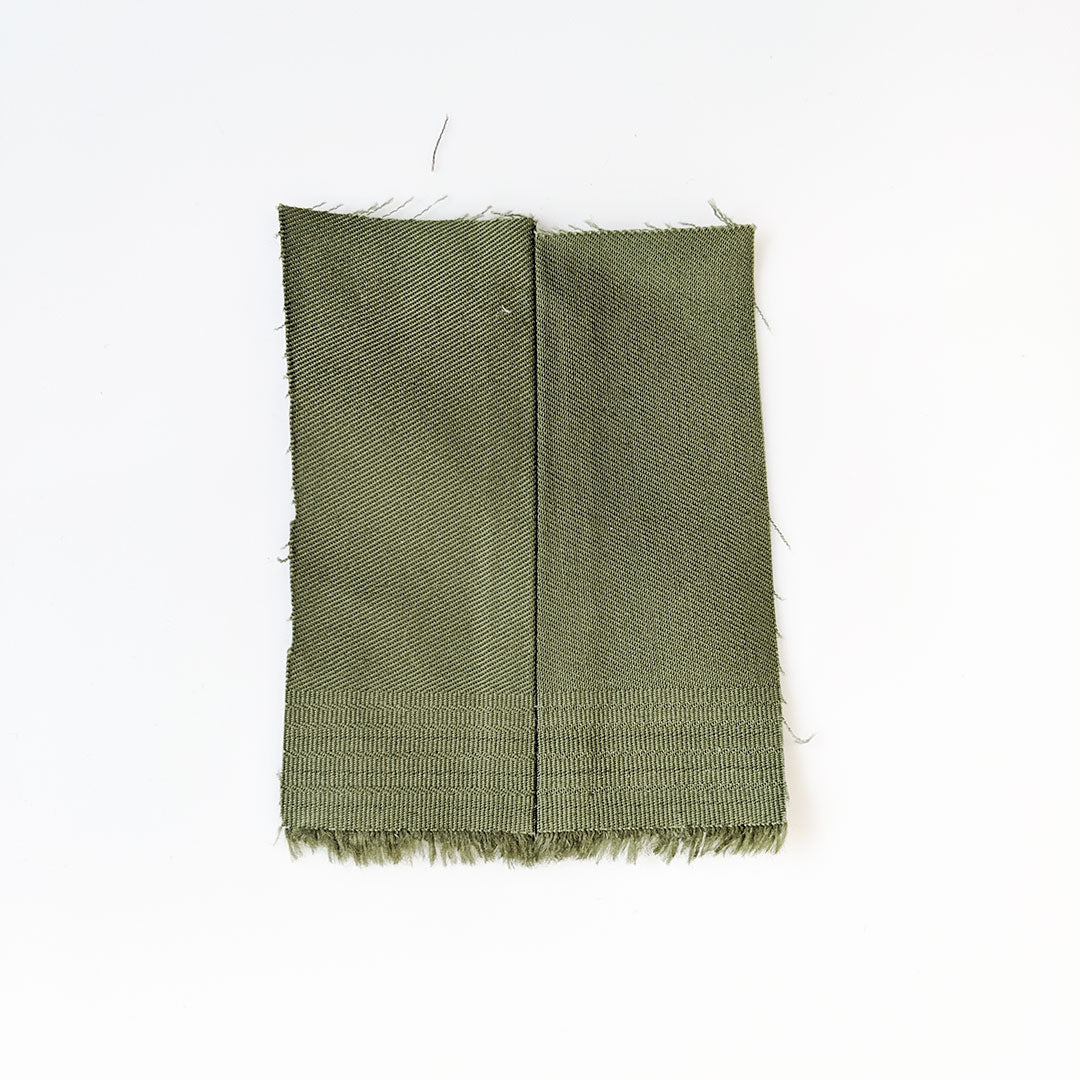
Through the 19th and early 20th centuries, the majority of clothes were handmade through labor intensive and time consuming processes. As such, sewists took care to create quality garments that could be worn for years. Structural elements like linings, gussets, and reinforced seams were included, all together creating a durable, long-lasting piece. Seams enclosed additional fabric, known as “seam allowances,” further contributing to the longevity of the piece by allowing for alterations. This led to smaller wardrobes in which people wore their garments until they wore out or passed them along to friends and family members.
Ready-to-wear clothing, that is, mass-produced clothing made in standardized sizing, is an invention of the last two centuries. A result of innovations like the power loom and sewing machine, clothing could be produced at faster rates than ever before. As these ready-made garments increased in popularity, manufacturers began to cut corners to maximize profits. Details like pleats or functional pockets required additional fabric, and as such were excluded from designs wherever possible. Seam allowances were replaced with serged seams that minimize leftover fabric as well. Polyester, an inexpensive, synthetic fabric, replaced natural fibers like cotton, wool, and silk, which thermoregulate more efficiently, require less frequent washing, and hold their shape better. Synthetic fabric production makes up over half of the global textile market today, and even high-end brands use polyester while maintaining high mark-ups.
As products become cheaper and decline in quality, consumers are encouraged to indulge in microtrends and be less intentional about their clothing purchases – after all, what’s $10 for a top? If that same top was more expensive, but of higher quality, the consumer is pushed to consider whether or not it truly fits into their own personal style. Without that initial barrier, personal style is usurped by a globally homogenous style dictated by trends.
While keeping clothing affordable and accessible is incredibly important, especially in the current economic environment, the general perception of appropriate pricing has been skewed by the abundance of fast-fashion. American consumer culture has been built around the idea of “planned obsolescence,” a strategy that calls for the production of goods with the intention of these items eventually becoming out-of-style or useless. This is particularly apparent in the fashion industry and the increased rate in which we have seen trends cycle in and out of style within the past few decades. To keep up with these accelerating trend cycles, consumers require cheaper and cheaper goods. However, expectations of lower prices and larger wardrobes fail to account for the true costs of materials and labor. Instead, consumers opt for, or have no choice but to purchase, many low-cost pieces that are worn for a year before falling apart. Those pieces end up in the landfill or thrift store, and consumers are forced to purchase new pieces that have declined in quality even further.
It is important to be a conscious consumer, even when the actions of corporations feel wildly out of our control. While it is nearly impossible to have a completely sustainable closet full of high quality pieces, everyone should be empowered to make fashion choices in accordance with their individual situation and capacity. Through social media, we have seen a rise in thrifting culture, promotion of small, independent brands, and trends like the “capsule” wardrobe. All of these movements advocate for more sustainable methods of participating in fashion culture and showcase a growing awareness of these issues. This intentionality is the first step in making larger, structural changes.
Reach writer Nicole Roberts at musemediauw@gmail.com.
Instagram @niicoleroberts



 Muse Media UW