

It’s cigarettes and messy eyeliner, wired headphones, and black nylons, party drugs, and Skins UK, Alexa Chung and the Olsen twins, and Cara Delevigne and American Apparel. The 2010s birthed the internet era, evolving from Myspace to Instagram and Tumblr. These platforms provided users with a way to cultivate a personal brand, regardless of it being some necessity as a form of monetization or professional publicity. Normal people claimed control of promoting their personal brand. The grunge hipster gained traction in 2008 and continued through 2012, finally losing gumption by 2014. Indie Sleaze popularized in a sect of Millenials and was endorsed online. Captured in flash photography: these teens and twenty-somethings attempted romanticization of the darker prospects of life, in pursuit of pleasure. It was gaudy. It was a rejection of the 2000s. It grabbed at the previous decades. From glitter to fishnets, Indie Sleaze borrowed from the 90’s grunge and the 80’s drug-colored enthusiasm.
This was the counter-culture.
There is no singular denotation. The lines of this movement are undefined, leaving comfortable space for the collective to take part, saving strict confirmation for the norm they wished to disobey. Dancing on dancefloors, witnessing the flash of people as the strobe flickers in and out. The figures of these trends showed up on Tumblr as the ambassadors of Indie Sleaze; sitting on NYC doorsteps smoking cigarettes in graphic tee shirts and ripped tights. Hangover chic. On the runway, Saint Laurent’s Fall 2013 line played into California grunge while Prada’s Spring 2014 line emulated the bold colors of indie sleaze, however, the look was never captured in its entirety outside of Tumblr blogs and page six. This was an act of independence from the regulation that Vogue and Haute Couture imposed upon the fashion community, which had previously been dictated by the runway. The trickle-down effect of high-class efforts influencing lower classes caused and reinforced the dominance that designer clothing had over the entire industry and social effect. Instead, A-listers in last night’s makeup made space for rejection of the norm, and Tumblr supplied the masses with a place to idealize and glorify, existing as the underground platform of the mass collective.

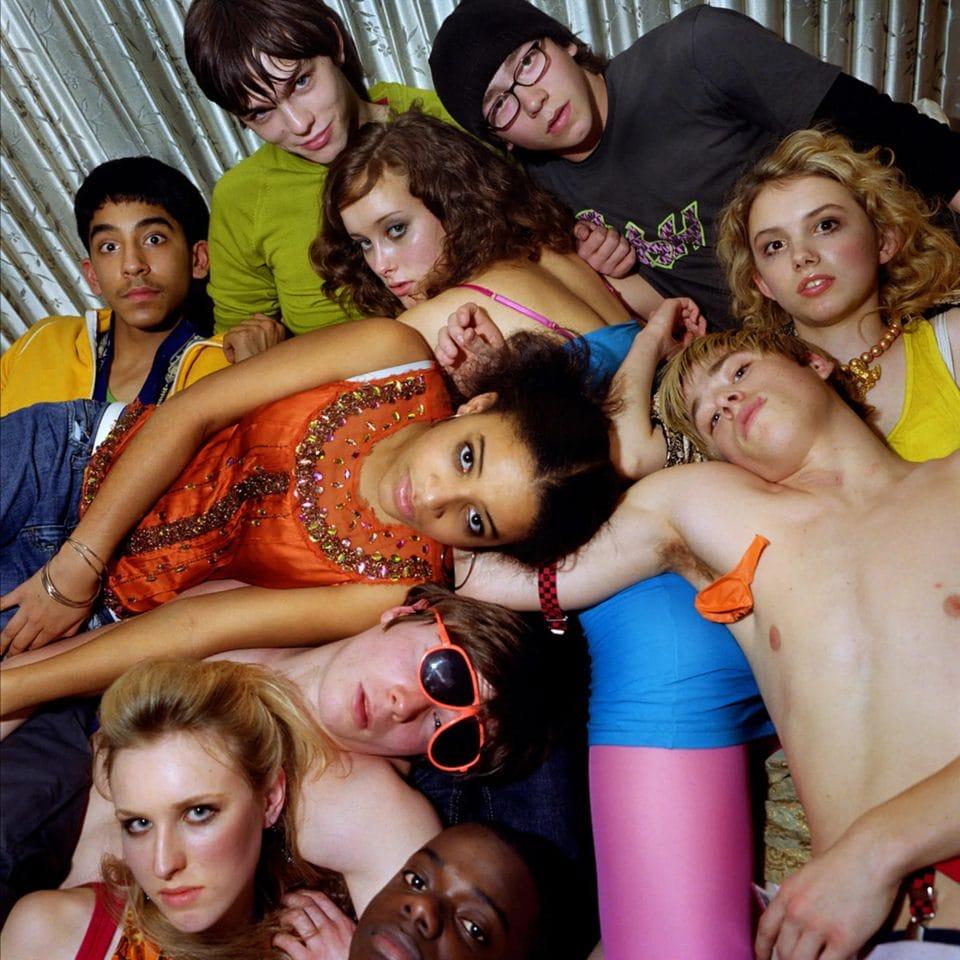
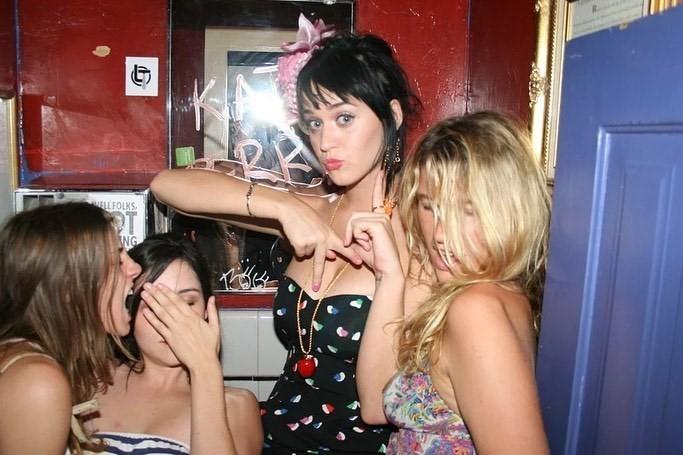
Launched in 2007, the website accumulated 75,000 users in the first two weeks. Denoted as chaos, this forum provided latitude online to establish pockets of various internet cultures. Tumblr became a breeding ground to amplify not only pop culture, but counter-culture. Photos of the models with smudged eyeliner in underground clubs popularized amongst teenage women who desired this effortless cool-girl lifestyle. Tumblr became a reference page for this style. Users popularized indie grunge sleaze and constructed the guidelines for mirroring this lifestyle. The site engendered admiration for this scene, being a place of expansion and exposition. This was the beginning of the age of the internet influence: the exposure and accessibility of the internet became powerful in manipulating social sentiment. However, the death of this discursive party scene came paired with the decline of the site. Tumblr’s popularity was uninsured, relying on the contingencies of its audience’s youth. The culture of the internet was changing and the adolescents of the late 2000s and early ‘10s were aging out of their reckless youth. The rise of the internet catalyzed speculation of its safety and resulted in the imposition of new safety policies on social media. Guidelines on NSFW content impacted the dimensions of content that the indie sleaze aesthetic related to. Today, many of the pages that publicized this trend have been taken down, deleted, or are inactive.
I was slightly too young at the height of indie grunge to be a part of it. I lived vicariously through the internet thinking this was ideal adolescence. The internet illustrated a culture unaffected by the surrounding world, unbothered by the articles on tabloids. The micro-influencers whose image compensated for their name’s unimportance became proxies for the collective. These celebrities reveled in the raunch and this bravado has still maintained a sense of nostalgic notoriety; existing in a space caught between romanticizing what was and a continuation of the social effect of the internet. Tumblr’s grip on fashion embodies that influence of the internet on its audience. Teenagers turned from print to screen as the internet rose in popularity. The trajectory of fashion had shifted and has perpetually been affected by social media and its hold on teenage girls. Fashion no longer relies on the runway, it hasn’t since Tumblr.
American apparel ads: dazeddigital.com
Reach column writer Ellie Kwon at musemediauw@gmail.com
Instagram @ellielkwon


 Muse Media UW